Book Appointment Now

MEDICAL ONCOLOGY IN MERU, KENYA
Personalised Cancer Treatment, Guided by Evidence.
Medical oncology focuses on the use of medicines to treat cancer. Depending on the diagnosis, treatment may involve chemotherapy, immunotherapy, targeted therapy or hormonal therapy.
At Summit Oncology Clinic, our approach emphasises evidence-based care, individual treatment needs and clear communication. We recognise the importance of helping patients understand their options and make informed decisions with their healthcare team.

What Is Medical Oncology?
Understanding Cancer Treatment With Medicines
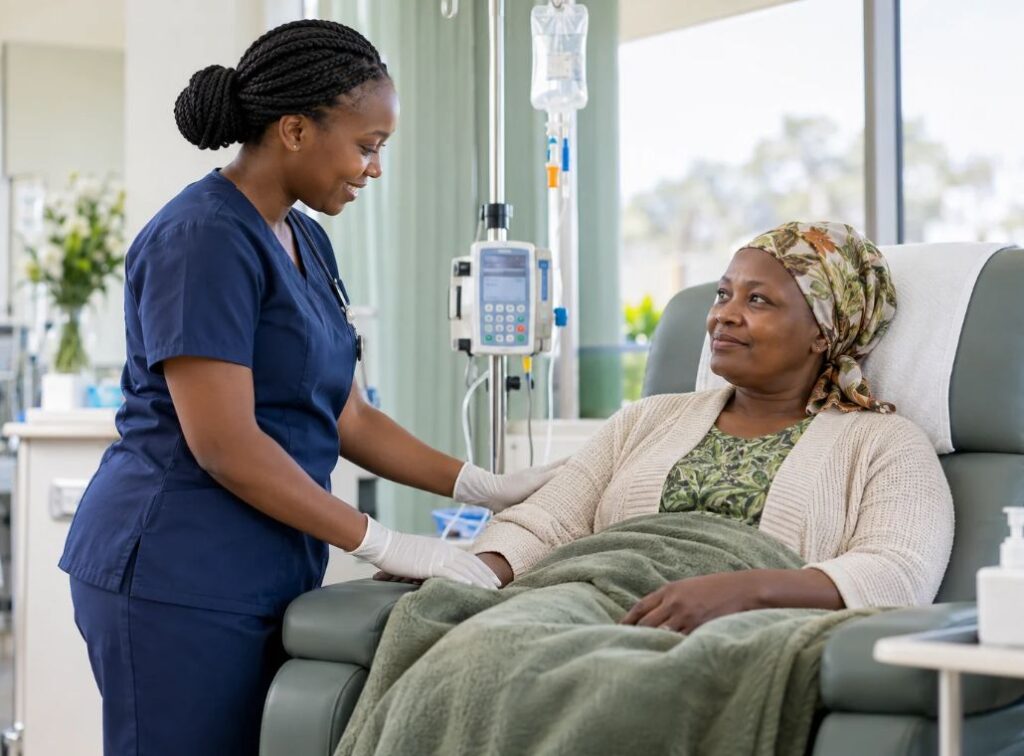
Medical oncology is a specialised area of cancer care concerned with treating cancer using medicines. These treatments may be used on their own or alongside other approaches, such as surgery or radiation therapy, depending on the type and stage of cancer.
A medical oncology assessment may involve reviewing the diagnosis, pathology reports, imaging results, previous treatments and overall health. This information helps the treating specialist consider appropriate treatment options and explain their potential benefits, risks and limitations.
Every cancer is different, and not every patient needs the same treatment. The recommended approach depends on individual clinical findings and treatment goals.
Medical Oncology Treatment Options
Understanding the Available Treatment Approaches.
Cancer medicines work in different ways. The most appropriate approach depends on the cancer’s characteristics, the patient’s health and the intended goals of treatment.
Chemotherapy
Chemotherapy uses medicines to destroy cancer cells or slow their growth. It may be used alone or alongside other treatments, depending on the cancer and treatment goals.
Immunotherapy
Immunotherapy uses approaches that help the immune system recognise or respond to cancer. Its suitability depends on the cancer type and other clinical factors.
Targeted Therapy
Targeted therapy uses medicines designed to act on specific features or pathways involved in cancer growth. Some treatments require particular tumour or molecular test results to help determine whether they may be appropriate.
Hormonal Therapy
Hormonal therapy may be used for certain cancers that depend on hormones to grow, including some breast and prostate cancers.

Assessment and Treatment Planning
Understanding Your Individual Needs
Before a treatment plan is recommended, your healthcare team may review your diagnosis, medical history, previous treatment, and investigation results.
Your assessment may include:
- Reviewing pathology and biopsy reports.
- Examining relevant laboratory results and imaging reports.
- Discussing previous treatments and current medicines.
- Considering additional investigations where appropriate.
- Discussing potential treatment options, benefits, risks, and side effects.
- Identifying supportive care needs and follow-up requirements.
Your healthcare professional can explain which assessments are relevant to your circumstances and what the next steps may involve.
A Coordinated Approach to Cancer Care
Medical oncology may work alongside other areas of cancer care, depending on your diagnosis and treatment plan.
These may include:
- Radiation Oncology: Radiation therapy where clinically appropriate.
- Surgical Oncology: Surgical assessment or referral where indicated.
- Haematology: Specialist assessment for blood cancers and related disorders.
- Diagnostics & Precision Medicine: Investigations that help inform diagnosis and treatment decisions.
- Supportive Care: Assistance with symptoms, nutrition, emotional wellbeing, and quality-of-life concerns.
The services involved will depend on your individual needs and the care pathways available.
Have Questions About Medical Oncology?
If you would like to learn more about medical oncology or enquire about consultation arrangements, contact Summit Oncology Clinic to discuss the next steps.