Book Appointment Now

Lung & Thoracic Cancers
Lung and thoracic cancers affect the lungs and other structures within the chest. Accurate diagnosis and an appropriate treatment plan are important in determining the most suitable approach to care for each patient.
Summit Oncology Clinic provides a point of contact for individuals seeking information about lung and thoracic cancer care in Meru. Patients can enquire about consultation arrangements, diagnostic pathways, and appropriate specialist care based on their needs.
What Are Lung & Thoracic Cancers?
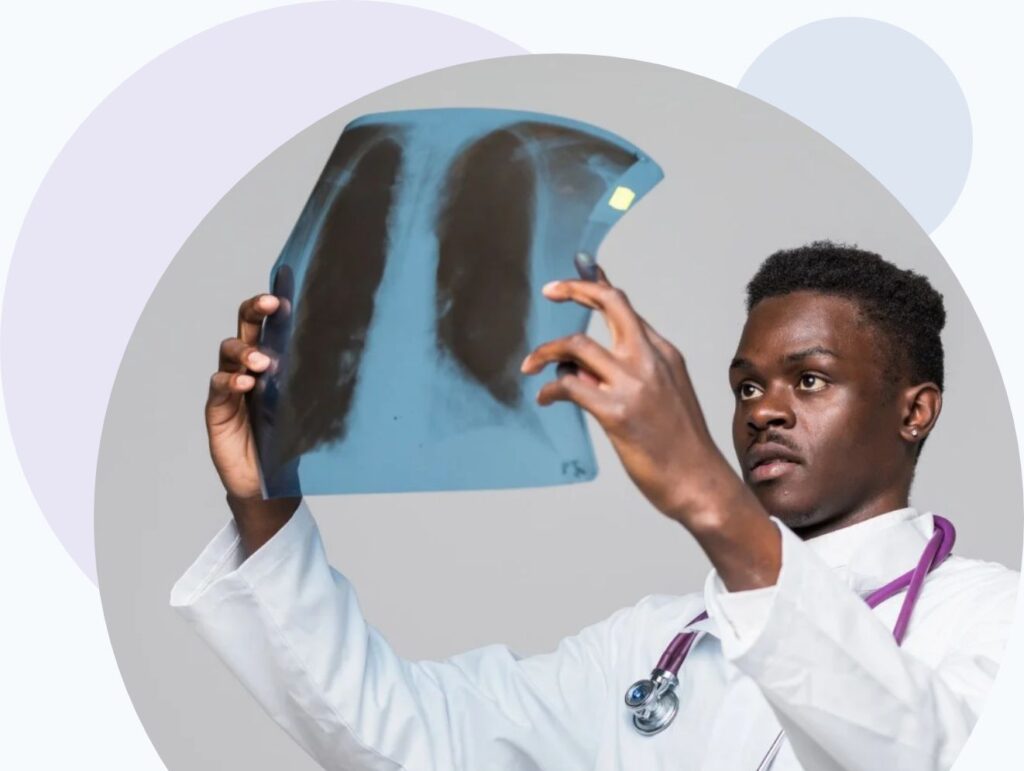
Lung cancer develops when abnormal cells grow uncontrollably in the lung tissue. It is broadly classified into two main types: non-small cell lung cancer and small cell lung cancer. Cancer types differ in their characteristics and may require different treatment approaches.
Thoracic cancers include other cancers affecting structures within the chest, such as the lining around the lungs and the thymus gland. Diagnosis and management depend on the specific cancer type, its location and how far it has progressed.
Although smoking is a major risk factor for lung cancer, people who have never smoked can also develop the disease. Recognising persistent symptoms and seeking medical assessment can help identify problems that need further investigation.

Signs & Symptoms of Lung & Thoracic Cancers
Symptoms vary depending on the type and location of the cancer. Some may develop gradually, while others can be discovered during investigations for another condition.
Possible warning signs include:
A persistent cough or a cough that becomes worse over time.
Coughing up blood.
Chest pain or discomfort.
Shortness of breath or persistent wheezing.
A hoarse voice that does not improve.
Unexplained weight loss or reduced appetite.
Persistent fatigue.
Difficulty swallowing or swelling around the face and neck.
These symptoms can also result from non-cancerous conditions. However, symptoms that persist, worsen or occur without a clear explanation should be assessed by a qualified healthcare professional. Coughing up blood or experiencing severe breathing difficulties requires urgent medical attention.
Assessment & Treatment
Assessment for suspected lung or thoracic cancer begins with a review of symptoms, medical history, and relevant risk factors, followed by a clinical examination where appropriate. Depending on the findings, investigations may include chest imaging, laboratory tests, bronchoscopy, or a biopsy to obtain tissue for examination.
Once cancer is confirmed, additional tests may be recommended to establish its type, stage, and other characteristics that influence treatment decisions. These findings help healthcare professionals determine the most appropriate care plan.
Treatment depends on the specific cancer, its stage, the patient’s general health, and other individual factors. Options may include surgery, radiation therapy, chemotherapy, targeted therapy, immunotherapy, or a combination of treatments. Not every option is suitable for every patient.
Care may involve collaboration among oncology specialists, surgeons, radiology teams, pathologists, and other healthcare professionals. Patients may also need ongoing monitoring and supportive care to help manage symptoms and treatment-related effects.
The recommended approach should be discussed with qualified healthcare professionals after the necessary assessment and investigations.

Every Cancer Journey Begins with Understanding
If you have concerns about persistent symptoms or are seeking guidance following a lung or thoracic cancer diagnosis, appropriate medical assessment can help clarify the next steps. Contact Summit Oncology Clinic to enquire about consultations, current services, and suitable care pathways.